
- Home
- Painting Services
- Interior Painting
Interior Painting Where the Prep Decides the Finish
Interior painting in older Merrimack Valley homes, where the plaster, the cracks and the wide trim decide the schedule, priced after a walkthrough and written down room by room before a drop cloth comes out.
Paint is the last twenty percent of an interior job. The other eighty is what happens to the wall before a can gets opened, and in the houses around here that part is real work. Much of this housing stock is plaster over horsehair lath, and plaster moves. You get hairline cracks running off a door corner or a window head, and if somebody skims them with compound and rolls over the top, the same line is back by the second winter. Those get opened up, bridged with tape or mesh, filled in more than one pass, and sanded flat. Nail pops in a ceiling get set and patched rather than dabbed. Old wallpaper glue is its own category, because glue left on the wall keeps pulling moisture out of the finish and telegraphs through as shine and streaking no matter how many coats go over it.
Then there is the trim, which is why these rooms take longer than a new build. Wide casings, deep baseboards, back band, picture rail and window stools with three or four profiles in them do not take a roller. They get cut in and brushed, and the line where the wall meets the casing is done by hand with no tape doing the thinking. Radiator edges and baseboard convector covers get worked around, including the wall behind the fins where the winter dust line shows. Housing built before 1978 may carry lead in the older layers. We ask about that before anything gets sanded and plan the work around your answer, and we do not claim any certification we do not hold. If testing is the sensible call, we say so and you decide before a sander touches a surface.
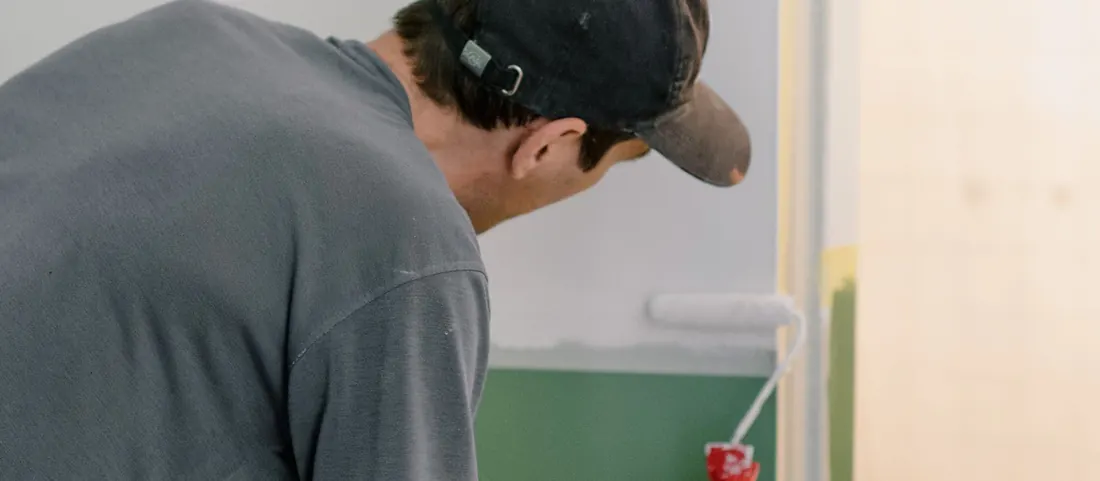
What the visit covers
- Read the plaster first and mark every crack, pop and soft seam
- Open hairline cracks, bridge them and fill in more than one pass
- Set and patch nail pops instead of dabbing compound over them
- Take wallpaper glue off the wall so it cannot ghost through
- Cover the floors and box in the furniture that stays in the room
- Sand with dust collection and wipe the surface down after
- Spot prime every repair and every bare patch before color
- Cut ceilings, corners and casings by hand with a brush
- Roll walls in full coats and keep a wet edge wall to wall
- Ask about lead paint before sanding and plan the work around it
Living in the house while we paint
Most of this happens in an occupied home, so the job gets planned that way. We work in zones instead of opening the whole floor at once, which means the kitchen and at least one bathroom stay usable every night. Furniture moves to the middle and gets covered, small items go into a box you can actually find again, and floors get papered or dropped depending on what is under them. Sanding runs through a vacuum wherever the tool allows it and doorways get sealed off, because plaster dust travels further than people expect and it will find a bookshelf two rooms away. At the end of each day the room gets swept out, tools land in one spot, and nothing is left across a stair tread or a hallway you use in the dark.
Coats and cure time are the other thing worth knowing before you book. Dry to the touch and ready for the next coat are not the same, and ready for the next coat and ready to take a scuff are not the same either. A wall finish can be recoated in hours and still stay soft for a couple of weeks, which is why we ask you to go easy on fresh trim and hold off on taping anything to a new wall. Doors get rehung once the edges have hardened, not the minute they look dry. The room count, the number of coats and every surface included land in writing before we start, and if a wall turns out to need skim coating rather than patching, you get the price for that change the day we find it.
About interior painting
If your question is not here, call and ask. We would rather tell you a smaller job is enough than sell you a bigger one.
Do I have to move out while you paint?
No. We work room by room so the house stays usable, and the order gets planned with you at the walkthrough. Furniture goes to the middle under covers, the kitchen and a bathroom stay open, and doorways get sealed so dust does not drift. Bedrooms get finished and put back together before we move on. If you would rather have the whole floor done in one stretch, we can do that, it just means finding somewhere to sleep.
Why do the cracks keep coming back in my plaster?
Because they were filled, not bridged. A hairline crack in plaster over lath is a moving joint, and compound on its own has no strength across it. The house shifts every time the heat comes on for the winter and the crack reopens along the same line. We cut it out, bed tape or mesh into it, build the fill in more than one pass, then sand flat and prime the repair. It costs a little more up front and it ends the yearly repaint of the same wall.
My house is from the 1920s. What about lead paint?
We ask about it before anything gets sanded. Housing built before 1978 can have lead in the older layers, and we plan around your answer rather than finding out halfway through a room. We are not claiming any certification here. If your house sits in that age range and the surfaces need aggressive sanding, we will say plainly what that means and talk testing through with you first, so the decision is yours instead of a surprise.
One price for interior painting, agreed before anyone starts.
Half an hour at the property, at no charge, and you walk away holding the room by room list and one number.