
- Home
- Flooring Services
- Vinyl Plank & Laminate Flooring
Vinyl Plank Over a Subfloor That Was Prepped First
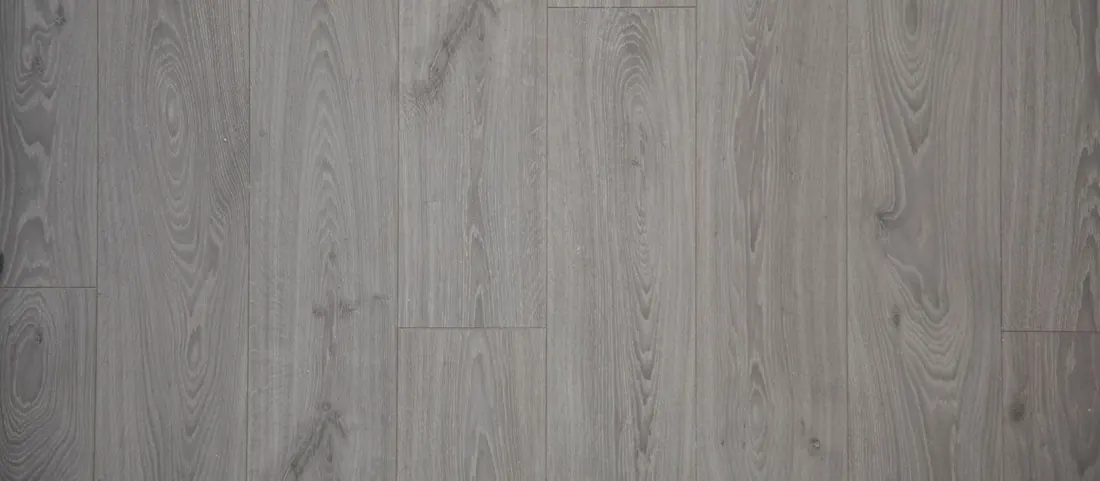
Luxury vinyl plank and laminate laid over a subfloor that got flattened first, because a floating floor copies every hump under it and no amount of wear layer hides that.
Vinyl plank does not hide anything. It is thin, it is flexible, and it lies down over whatever shape the subfloor is in, so a dip you could not see in bare plywood turns into a soft spot you feel through your shoe. Worse, a floating floor bridging a hollow flexes at the joint every time somebody walks it, and click joints are not made to flex. They work loose, the seam opens, and a plank that was locked in March is separating by Thanksgiving. That is why most of the money on a good vinyl job goes underneath the vinyl. We straightedge the room, mark what is high and what is low, grind or sand the ridges off a seam in old plywood, and pour self leveling compound into the dips so the whole field sits within tolerance. None of that shows in a photo. All of it decides whether the floor is quiet in five years.
Where does it win? An enclosed porch, a kitchen that takes spills, a basement family room, a rental that turns over every year or two. A waterproof core will sit in standing water without swelling, which is the whole reason landlords moved to it, and a good wear layer takes dog nails and dragged chairs better than a soft wood floor does. Where does it lose? Underfoot it sounds like what it is, hollow and a little plastic, and it will never be worth what a real wood floor adds to a house. Watch the labels too. Waterproof and water resistant are not the same claim. A laminate with a fiberboard core is water resistant at the surface, and once water reaches that core through a seam the plank swells at the edge and never goes back. In a basement or under a dishwasher, that difference is the entire decision.
What the visit covers
- Straightedge the room and map the high and low spots
- Grind down plywood seams and ridges before anything goes over
- Fill the low spots with self leveling compound and let it set
- Pull the old flooring, staples, tack strip and adhesive
- Check the slab for moisture before a plank touches it
- Roll the underlayment or use the pad already on the plank
- Click lock a floating field or glue down where movement hurts
- Leave the perimeter gap a floating floor has to have
- Undercut door casings so plank slides under, not around
- Set transitions, reducers and stair nosing at every change
Rentals, turnovers and honest limits
We will tell you when the answer is no. A floating floor over a subfloor that moves will click, tick and separate no matter which plank you bought, and paying more per square foot does not buy your way out of it. If the joists bounce, if the old boards are cupped, if there is a soft patch near a former leak, that gets fixed or the floor gets glued down instead of floated. Glue down gives up the easy removal and the underfoot comfort, and in exchange it stops the plank from traveling and quiets the whole room. Underlayment is a related honest conversation. A thicker pad feels better and sounds better underfoot, but too much cushion under a click floor lets the joints work, so we use what the plank was engineered for rather than the softest thing on the shelf.
Turnovers run on a clock, so we scope them that way. A two bedroom unit between tenants usually means tearing out carpet, hauling it off, dealing with the staples and the tack strip, prepping the deck and laying plank across the whole unit so there is no threshold in the middle of an apartment. Give us the key date and we work backward from it. Property managers get the paperwork up front, since we are licensed and insured and nobody wants to chase a certificate the morning the truck arrives. One thing that catches people: vinyl expands and contracts with temperature more than wood does, so plank that sat in a cold van all morning goes down in a room at room temperature, not straight off the tailgate in February.
About vinyl plank and laminate flooring
If your question is not here, call and ask. We would rather tell you a smaller job is enough than sell you a bigger one.
Is vinyl plank actually waterproof?
The good ones are, in the sense that the plank itself will not swell if water sits on it. The seams are a different matter. Water that gets through a click joint ends up on the subfloor underneath, where it has nowhere to dry, so a burst supply line still does damage. Laminate is the bigger risk, because a fiberboard core drinks water and puffs at the edge permanently. If the room is a real wet risk, we point you at a waterproof core or at tile.
Can you lay it right over my old floor?
Sometimes. Over sound sheet vinyl or well bonded tile that is flat, yes, often with a skim of leveler first. Over cushioned sheet goods, loose tile, or anything hollow underneath, no, because the plank will move with whatever is under it. Carpet always comes out. We check the total height too, since adding a layer raises the floor and can leave a door dragging or a stove that will not slide back under the counter.
What wear layer should I be looking at?
It is measured in mils and it is the only number on the box that predicts how the floor ages. Twelve mil is fine for a bedroom in an owner occupied house. Twenty mil and up is what a rental hallway, a stairwell or a busy kitchen needs, because grit tracked in from a sanded sidewalk works like sandpaper underfoot all winter. Thickness of the plank matters for feel and for hiding minor flaws. Wear layer is what matters for life.
One price for vinyl plank and laminate flooring, agreed before anyone starts.
Half an hour at the property, at no charge, and you walk away holding the room by room list and one number.